Tuesday, May 2, 2017
Tuesday, April 18, 2017
Saturday, April 15, 2017
Monday, April 10, 2017
Monday, March 27, 2017
Monday, March 20, 2017
Human Body: Circulatory System
Making Blood...
- Start with plasma (represented by yellow food coloring + water)
- Add red blood cells (cheerios soaked in red food coloring + water)
- Notice what happened to the color of blood!
- Add white blood cells (white marshmellows)
- Add platelets (tiny pieces of a peppermint marshmellow)
- Notice how sticky the platelets are!
Pig Heart Dissection...
The heart is made up of cardiac tissue. We looked at the structure of the heart: right atrium, left atrium, right ventricle, left ventricle, aorta, and vena cava. We also discussed the function of the heart and the function of valves in the heart.
Heart Rate Lab:
Monday, March 13, 2017
Human Body: Digestive System
Did you know that the whole digestive tract can measure 914 cm when stretched out!?
Digestion in the Stomach:
Test Tube 1: Pepsin
Test Tube 2: Hydrochloric Acid
Test Tube 3: Gastric Juices (Pepsin + Hydrochloric Acid)
Egg whites were placed in all three test tubes.
Test tubes were heated to body temperature, 37 degrees Celsius.
Wednesday, February 8, 2017
Recipes for Genetics
We have some cute dogs in the seventh grade!
Students used DNA strips (set of instructions) to figure out the phenotypes for their dog.
Monday, January 30, 2017
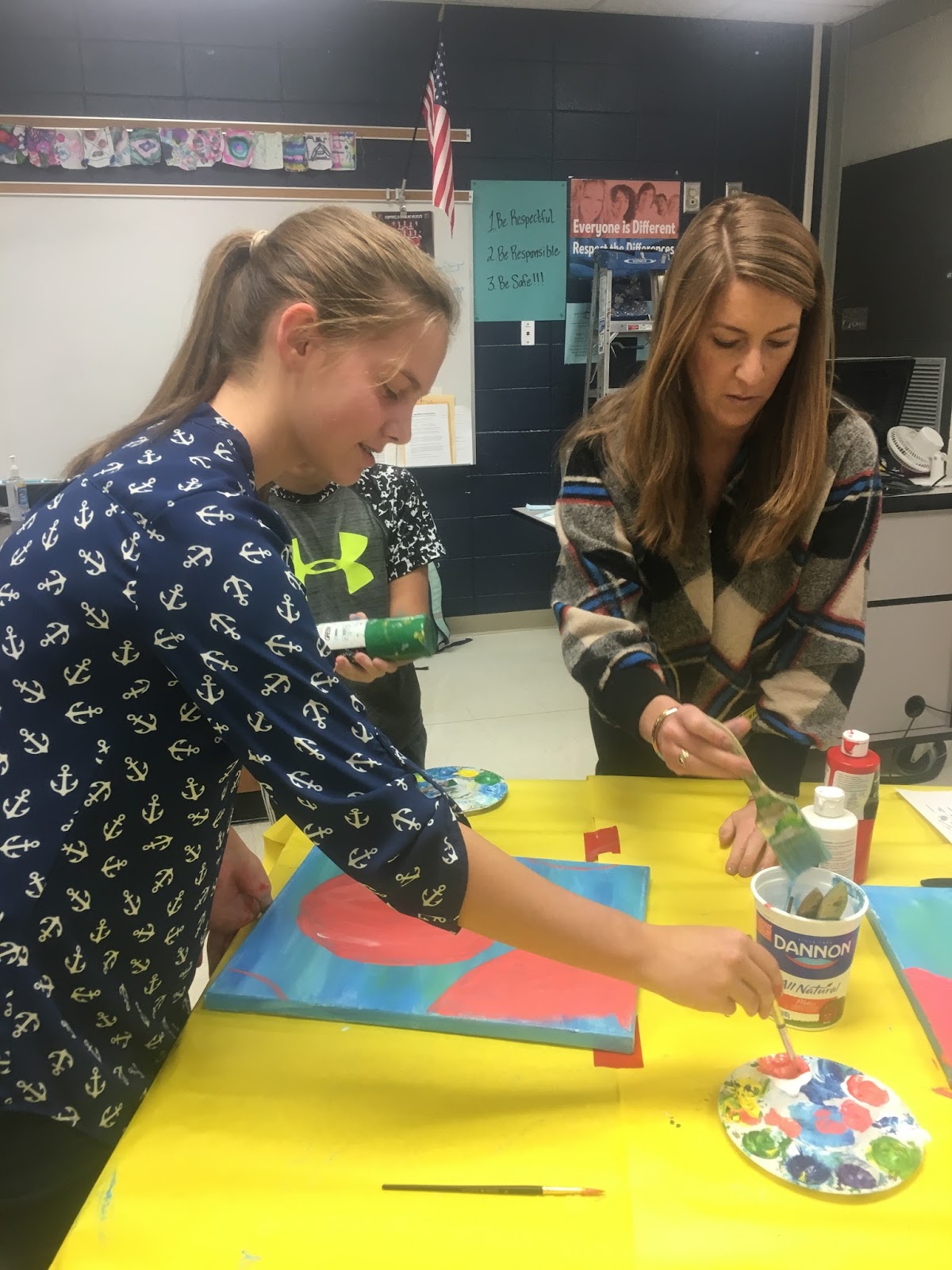
ExCELLent Cell Paintings
Ms. Anna Hodge, our former art teacher, volunteered her time to help us out with our painting techniques! The cells look FABULOUS!
Sunday, January 29, 2017
Monday, January 16, 2017
Wednesday, January 11, 2017
Cells: Bacteria
Bacteria can be helpful to
organisms and the environment
● Bacteria are in our digestive system and aid in breaking down and absorbing food.
● Bacteria are used to make a variety of foods including cheese and yogurt.
● Bacteria can decompose dead organisms and release those nutrients back into the environment.
Bacteria can be harmful to organisms and the environment
● Bacteria can be pathogens and cause diseases like strep throat, food poisoning, and tuberculosis.
● Bacteria, such as wheat blight can infect plants that are used as crops.
Monday, December 12, 2016
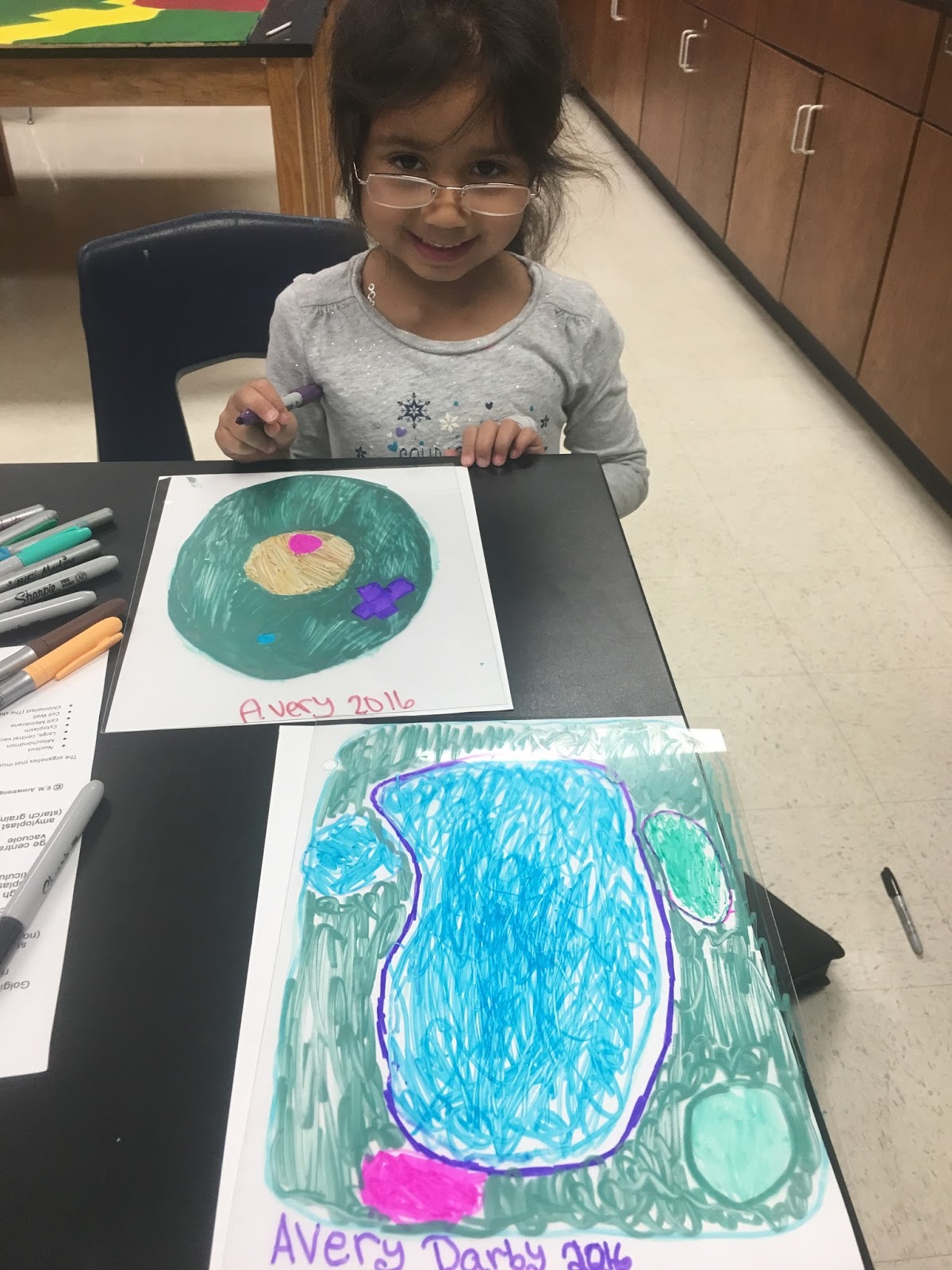
Cells: Shrink Film Art
Seventh graders partnered with Ms. Dottie's K4 classes and Ms. Stutts' class to create animal and plant cells using shrinky dink. We loved combining cells with chemistry and art!
Check out this link to learn the chemistry behind it: http://www.smithsonianmag.com/science-nature/the-science-of-shrinky-dinks-36715644/
Subscribe to:
Posts (Atom)